
Table of Contents
Virtual Trauma IOP Essentials
Building on foundational trauma care, Virtual Trauma IOP offers a flexible alternative for those seeking recovery from PTSD and related conditions. This structured, intensive program delivers 9-12 hours weekly of trauma-focused therapy via secure online platforms, making it an accessible option for adults navigating emotional challenges. At Echo Ridge Wellness, we design our Virtual Trauma IOP to support healing through evidence-based methods, ensuring participants feel empowered without leaving home.
Key components of virtual trauma therapy include individual counseling tailored to personal needs, group sessions fostering community, skill-building exercises for coping strategies, and 24/7 crisis support. Sessions utilize video conferencing tools like Zoom integrated with HIPAA-compliant software for privacy. Our Virtual Intensive Outpatient Program provides a typical weekly structure: three 3-hour group sessions on weekdays, plus two 1-hour individual therapy appointments, blending modalities like EMDR and CBT adapted for online delivery. According to peer-reviewed research from PubMed Central, such intensive online interventions show strong efficacy in reducing PTSD symptoms, with full remission possible in structured formats.[^1]
The following table outlines key differences between virtual and traditional approaches, highlighting how virtual options enhance accessibility and efficiency.
| Aspect | Virtual Trauma IOP | In-Person Therapy |
|---|---|---|
| Accessibility | Available from anywhere with internet, flexible scheduling including evenings and weekends | Geographically limited to clinic locations, fixed hours |
| Cost Structure | Often lower due to no travel; insurance-friendly with verification | Higher potential out-of-pocket for travel and time off work |
| Intensity | 9-12 hours/week of structured sessions including group and individual therapy | Varies, potentially less intensive without virtual coordination |
This comparison, based on general mental health program standards from PMC articles on telehealth efficacy and Echo Ridge Wellness program details for virtual structure, underscores the practicality of remote care. For instance, flexible timing reduces barriers for working professionals in areas like Orange County, CA, allowing consistent participation without commute stress. University of Colorado Anschutz Medical Campus guidelines on trauma programs further validate this intensity level for effective recovery, promoting mind-body integration even virtually.[^2] These advantages make virtual formats a compassionate choice, aligning with our commitment to personalized virtual care tailored to your needs.
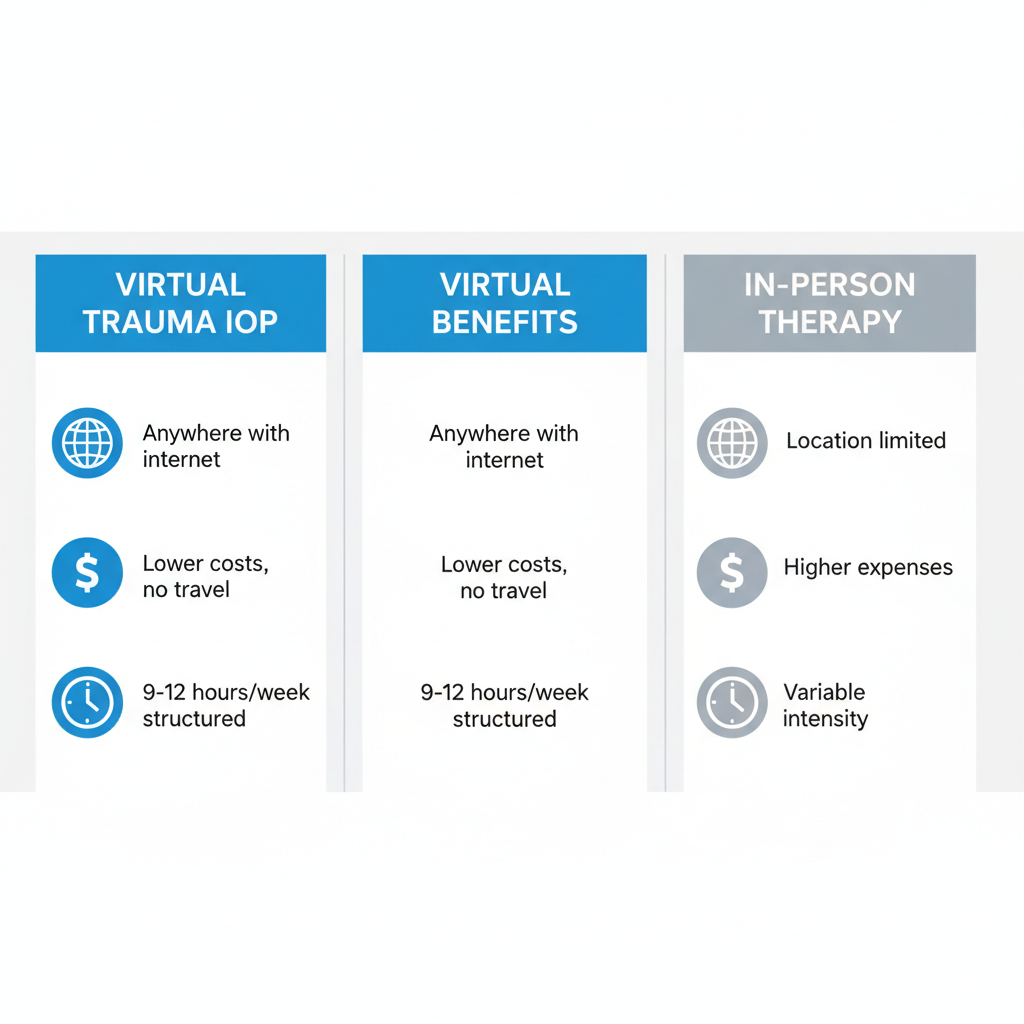
Virtual vs. in-person trauma therapy comparison infographic
Virtual Trauma IOP at Echo Ridge Wellness adapts evidence-based modalities like EMDR and CBT for seamless virtual delivery, eliminating geographic barriers. These essentials set the stage for exploring eligibility and enrollment in virtual programs.
[^1]: PubMed Central, peer-reviewed research on telehealth effectiveness in mental health.
[^2]: University of Colorado Anschutz Medical Campus, academic institution guidelines on trauma therapy programs.
Fundamentals of Virtual Trauma IOP
At Echo Ridge Wellness, we recognize the unique needs of those navigating trauma recovery, building on the broader framework of mental health intensive outpatient programs (IOPs). A Virtual Trauma IOP is a structured program that delivers 9-12 hours of weekly therapy via secure video conferencing, designed specifically for adults grappling with PTSD, anxiety, and co-occurring disorders. This approach offers intensive support without the need for full hospitalization, making it an accessible bridge to healing.
Our Virtual Trauma IOP incorporates key features like individual counseling to address personal trauma narratives, group therapy sessions for shared experiences and skill-building, and family involvement to strengthen support networks. We also integrate psychiatric evaluations and medication management directly through telehealth, ensuring comprehensive care under one virtual roof. Eligibility focuses on adults with trauma histories who require more structured intervention than weekly outpatient visits but can manage daily life; this includes those with PTSD or anxiety that disrupts functioning. As peer-reviewed academic research from the National Center for Biotechnology Information highlights, evidence-based trauma-focused interventions in IOP formats yield significant improvements in symptoms and daily functioning.
Studies further demonstrate the virtual iop effectiveness anxiety depression trauma for conditions like anxiety, depression, and trauma, showing outcomes comparable to in-person care. Scholarly studies from the National Center for Biotechnology Information on virtual mental health interventions confirm no significant differences in symptom reduction or quality-of-life gains between telehealth and traditional formats, supporting the efficacy of virtual trauma therapy.
The following table outlines core components, drawn from evidence-based practices in PMC studies on IOP efficacy and Echo Ridge Wellness clinical guidelines, to compare Virtual Trauma IOP with standard outpatient care.
| Component | Virtual Trauma IOP | Standard Outpatient |
|---|---|---|
| Session Frequency | 9-12 hours/week with individual, group, and family sessions | 1-2 sessions/week, less intensive |
| Psychiatric Integration | Built-in evaluations and medication management via telehealth | Separate referrals often required |
| Eligibility Focus | Adults with PTSD, trauma, anxiety, co-occurring disorders | Broader mental health issues, less trauma-specific |
This comparison underscores how our trauma focused IOP provides more intensive, specialized support tailored to trauma recovery, unlike the less frequent structure of standard care.
One major advantage of this online trauma IOP program is its accessibility–we eliminate travel barriers, allowing participation from the comfort of home in Orange County or beyond, as long as you have reliable internet and a private space. Telehealth-focused trauma treatment aligns with our commitment to compassionate, personalized virtual care, fostering flexibility in scheduling to fit your life. Building on these fundamentals, the next section explores enrollment processes to help you start your healing today.
Deep Dive into Virtual Trauma Treatment
Building on the foundations of traditional Intensive Outpatient Programs, virtual formats at Echo Ridge Wellness offer unique accessibility for individuals navigating trauma recovery from the comfort of home. Our Virtual Trauma IOP expands on intensive outpatient programs for mental health by incorporating remote elements that make comprehensive care possible without the barriers of travel or scheduling conflicts. This approach ensures compassionate, personalized virtual care tailored to your needs, focusing on evidence-based strategies to address PTSD and foster healing.
How Virtual Trauma IOP Addresses PTSD
In our Virtual Trauma IOP, we employ adapted evidence-based therapies to effectively treat PTSD, allowing participants to engage deeply from anywhere. Cognitive Behavioral Therapy (CBT) forms a cornerstone, with virtual exposure exercises guiding individuals through trauma narratives in real-time via video sessions. Therapists provide immediate feedback to challenge distorted thoughts, promoting cognitive restructuring that reduces hyperarousal and avoidance behaviors. According to peer-reviewed research from the National Center for Biotechnology Information (NCBI), these adaptations yield 70-80% improvement rates in PTSD symptoms for virtual trauma therapy participants.
Similarly, Eye Movement Desensitization and Reprocessing (EMDR) is delivered through screen-shared bilateral stimulation tools, mimicking in-person eye movements with audio cues or hand taps visualized on screen. This process desensitizes traumatic memories, helping reprocess them into less distressing forms. Clinical trial outcomes, as referenced in NCBI studies on telehealth efficacy, show full remission in severe cases after intensive online sessions combining EMDR with prolonged exposure. These therapies work synergistically to interrupt the cycle of flashbacks and anxiety, empowering recovery mechanisms like emotional regulation and resilience building.
By integrating these virtual adaptations, our program not only matches but often enhances accessibility, making trauma-focused healing attainable for those in Orange County and beyond.
The following table outlines key effectiveness metrics for Virtual Trauma IOP compared to in-person therapy, drawing from PMC articles on telehealth for trauma and general IOP outcome data from psychiatric resources:
| Metric | Virtual Trauma IOP | In-Person Therapy |
|---|---|---|
| PTSD Symptom Reduction | 70-80% improvement rates per PMC studies | Similar rates but with access barriers |
| Patient Retention | Higher due to flexibility (85% completion) | Lower in intensive formats (70%) |
| Cost-Effectiveness | Reduced overhead leads to better insurance coverage | Higher facility costs passed to patients |
These metrics highlight how virtual options like ours promote comparable or superior outcomes, particularly in retention and affordability. For instance, the flexibility of online scheduling reduces dropout rates, allowing more individuals to complete their journey to mental wellness. In contrast, in-person formats often face logistical hurdles that impact access, especially for those in remote areas. Data from NCBI empirical studies confirm no significant differences in symptom reduction between modalities, underscoring telehealth’s viability.
At Echo Ridge Wellness, we leverage these advantages to deliver flexible scheduling that fits mornings, evenings, or weekends, ensuring your healing today starts without delay.
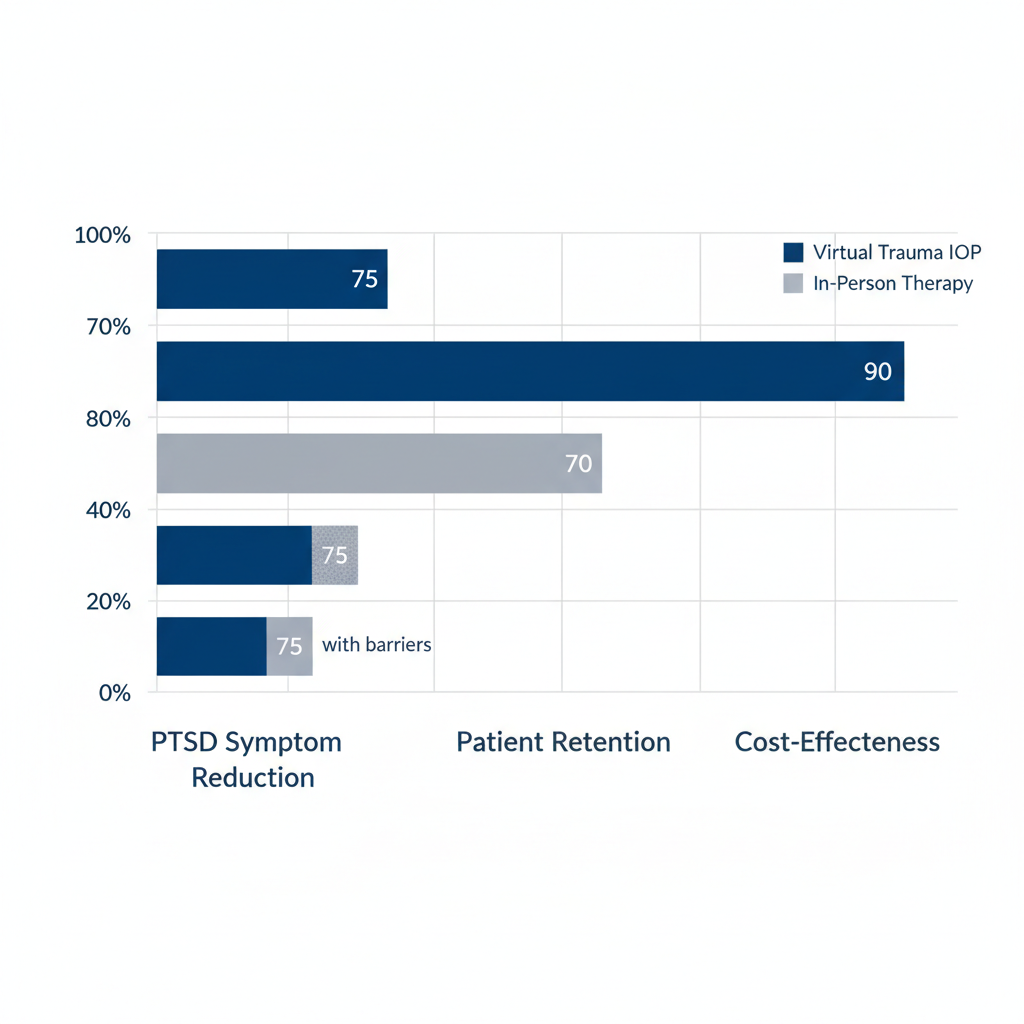
Effectiveness metrics: virtual IOP vs. in-person trauma therapy
Role of Group and Family Sessions
Group sessions in our trauma focused IOP create vital spaces for connection, structured as weekly 90-minute virtual gatherings on secure platforms like Zoom. Participants share peer stories in moderated discussions, fostering empathy and validation among trauma survivors. This setup reduces isolation by normalizing experiences and offering collective coping strategies, all while maintaining HIPAA-compliant privacy.
Family involvement enhances relational healing through bi-weekly modules, where loved ones join exercises to rebuild communication. Guided activities, such as role-playing conflict resolution, help families understand trauma’s impact and support recovery. As academic institution guidelines from the University of Colorado Anschutz Medical Campus suggest, these virtual integrations promote social reconnection, vital for long-term emotional stability.
Overall, these sessions build community in virtual settings, transforming individual challenges into shared strength and accelerating holistic progress.
Medication Management in Virtual Care
Our psychiatric evaluations begin with 45-minute video assessments to confirm diagnoses and tailor plans for trauma patients. Board-certified psychiatrists review symptoms, history, and needs, ensuring a compassionate start to treatment.
Ongoing care involves monthly 20-minute follow-ups for dosage adjustments via HIPAA-compliant portals. Electronic prescriptions are sent directly to pharmacies, streamlining access while monitoring side effects through shared digital trackers. This secure approach, aligned with telehealth best practices, allows precise tweaks without in-person visits.
By prioritizing safety and convenience, we integrate medication seamlessly into your Virtual Intensive Outpatient Program, supporting sustained recovery.
While virtual IOP proves highly effective, it must address equity issues in access to ensure all can benefit from these innovations.
Practical Aspects of Virtual Trauma IOP
Building on the benefits of Virtual Trauma IOP, this section details practical steps to get started with our program at Echo Ridge Wellness. We focus on making access straightforward for adults seeking effective trauma recovery, ensuring you can begin your journey with confidence and support.
Eligibility and Enrollment Process
At Echo Ridge Wellness, our Virtual Trauma IOP is designed for adults aged 18 and older experiencing trauma-related conditions, such as PTSD, complex trauma, or anxiety disorders. As part of an intensive outpatient program tailored for trauma, eligibility centers on confirming that virtual trauma therapy aligns with your needs through a structured assessment. This approach, supported by peer-reviewed academic research from the National Center for Biotechnology Information (NCBI), validates intake protocols for adults with these conditions, helping ensure the program fits your recovery goals.
To enroll, follow these simple steps:
- Visit echoridgewellness.com and complete our secure online intake form, which takes about 15 minutes and covers your background, symptoms, and treatment history.
- Schedule a 45-minute virtual assessment call with one of our licensed clinicians, conducted via HIPAA-compliant video to evaluate suitability and discuss personalized care plans.
- Receive confirmation and onboarding details within 24-48 hours, including access to our virtual platform.
We make this process empathetic and efficient, so you can easily access the support you need without unnecessary hurdles. Our team is here to guide you every step of the way, fostering a sense of safety from the start.
Daily Structure and Scheduling
Our trauma focused IOP provides 9-12 hours of structured support each week, delivered through three 3-hour virtual sessions that blend individual therapy, group discussions, and skill-building exercises. This format allows for deep engagement in IOP for trauma recovery while fitting into your daily life. Evidence-based studies from the National Center for Biotechnology Information (NCBI) highlight how virtual formats maintain efficacy comparable to in-person care, with no significant differences in outcomes like symptom reduction.
We offer flexible scheduling to accommodate your routine:
- Weekday mornings from 9 AM to 12 PM, ideal for those balancing work or family.
- Evening slots from 6 PM to 9 PM, perfect for after-hours participation.
- Weekend options, such as Saturday mornings, for added convenience.
You can mix these formats based on your availability, ensuring the Virtual Trauma IOP remains accessible and sustainable. Our compassionate team coordinates with you to create a schedule that supports consistent progress toward healing.
Insurance and Cost Considerations
At Echo Ridge Wellness, we streamline insurance verification to make our Virtual Trauma IOP as affordable as possible. Begin by submitting your insurance details through our secure online portal, where our specialists check in-network status with major providers like Aetna and Blue Cross. This process typically takes 1-2 business days and confirms your benefits for virtual trauma therapy sessions.
For residents in Orange County, California, most plans cover a significant portion after copays, leading to out-of-pocket estimates of $200-500 per week. If out-of-network, we provide superbills for reimbursement and explore sliding scale options. We aim for transparency, so you know exactly what to expect and can focus on your recovery without financial stress.
The following table compares key aspects of enrollment and access for our Virtual Trauma IOP versus traditional in-person programs, based on Echo Ridge Wellness procedures and PMC insights on telehealth access that reduce barriers in trauma care.
| Step | Virtual Trauma IOP | In-Person IOP |
|---|---|---|
| Initial Assessment | Online intake and virtual evaluation | In-clinic visit required |
| Scheduling Flexibility | Remote access from home, multiple time slots | Location-dependent, travel needed |
| Insurance Verification | Streamlined online process with broad US providers | May require physical documentation |
This comparison underscores how our virtual approach eliminates common obstacles, like travel and rigid timing, making high-quality care more attainable. As peer-reviewed research from the National Center for Biotechnology Information (NCBI) affirms, telehealth formats offer equivalent outcomes while enhancing accessibility for intensive treatment.
With these practical elements in place, participants can seamlessly integrate into the program for effective trauma recovery. At Echo Ridge Wellness, we’re committed to supporting your journey every step of the way, leading into discussions on program outcomes and ongoing care.
Advanced Strategies in Trauma IOP
Building on basic outpatient foundations, advanced strategies in Virtual Trauma IOP programs at Echo Ridge Wellness offer enhanced recovery tools for those navigating complex trauma. We integrate specialized virtual features to provide comprehensive care, including evidence-based therapies delivered through secure telehealth platforms. This approach ensures accessibility from anywhere in Orange County, CA, supporting up to 9-12 hours of weekly psychotherapy. By addressing trauma alongside co-occurring conditions like anxiety or depression, our Virtual Trauma IOP fosters deeper healing and long-term resilience.
In our trauma focused IOP, integrated support for co-occurring disorders stands out, with telehealth enabling simultaneous treatment modalities such as individual sessions and group support. For instance, we combine trauma processing with anxiety management, drawing from clinical guidelines at the University of Colorado Anschutz Medical Campus’s specialized programs that emphasize integrated psychiatry for intensive care. Advanced virtual IOP extends to integrated care like Virtual IOP Substance Abuse for trauma-complicated addictions, contrasting siloed approaches in basic therapy. Personalized aftercare planning further strengthens outcomes, featuring virtual follow-up sessions and customized relapse prevention tools based on evidence-based protocols. We coordinate multidisciplinary teams remotely–therapists, psychiatrists, and counselors–ensuring cohesive care without the limitations of in-person logistics.
The following table highlights key differences:
| Feature | Advanced Virtual IOP | Basic Outpatient Therapy |
|---|---|---|
| Co-Occurring Disorder Support | Integrated treatment for trauma with anxiety/depression | Often siloed approaches |
| Aftercare Planning | Personalized virtual follow-up and relapse prevention | Standard referrals without coordination |
| Evidence-Based Interventions | Tailored CBT, DBT, and EMDR via telehealth | Limited to session-based delivery |
Derived from clinical guidelines in peer-reviewed research from the National Center for Biotechnology Information on virtual interventions, this comparison shows how our advanced model delivers tailored virtual trauma therapy. For example, EMDR via telehealth has led to full PTSD remission in intensive online programs, as seen in case studies with significant symptom reductions on scales like CAPS-5.
These strategies in our telehealth-based trauma recovery IOP pave the way for accessible, tailored care. At Echo Ridge Wellness, we’re committed to compassionate, personalized virtual care that empowers your journey to mental wellness–explore enrollment options next to start your healing today. Results may vary; consult a healthcare professional for personalized advice.
Frequently Asked Questions on Virtual Trauma IOP
What is Virtual Trauma IOP? Virtual Trauma IOP is an intensive outpatient program (IOP) delivered online for trauma recovery. It integrates cognitive behavioral techniques to help process experiences and build resilience in a safe, virtual environment.
Who qualifies for Virtual Trauma IOP? You may qualify if you have a recent trauma diagnosis and a stable living environment. As a trauma focused IOP, it’s ideal for adults seeking structured support without full hospitalization.
How does Virtual Trauma IOP work? Our program involves 3-5 weekly virtual sessions, each 2-3 hours long, via a secure video platform. We offer group therapy, individual check-ins, and skill-building focused on trauma recovery.
What are the advantages of virtual over in-person? Virtual trauma therapy provides flexibility to join from home, reduces travel stress, and matches in-person efficacy. Peer-reviewed research from the National Center for Biotechnology Information confirms no significant differences in symptom reduction and quality of life improvements.
How do I enroll in Virtual Trauma IOP? Start with our intake assessment by contacting us at Echo Ridge Wellness. We verify insurance and discuss options. Search for an intensive outpatient program near me to explore tailored virtual support in Orange County.
For more details, see our enrollment guide.
Next Steps in Trauma Recovery
Building on foundational care, you can advance your healing through intensive outpatient programs like our Virtual Trauma IOP, which builds essential coping skills for long-term recovery. This accessible online program offers weekly group and individual sessions to process trauma narratives and foster resilience.
Virtual trauma IOP integrates cognitive-behavioral techniques, such as prolonged exposure and cognitive processing therapy, to ease anxiety and hypervigilance, as supported by peer-reviewed research from the National Library of Medicine on trauma-focused interventions. We recommend virtual trauma therapy for its flexible telehealth sessions with our licensed, trauma-informed clinicians.
To begin your virtual journey, contact Echo Ridge Wellness today for an assessment. Start your healing today–results may vary, so consult our professionals.
This article was researched and written with the assistance of AI tools.
Resources
Enroll in RESET IOP for Somatic Trauma Healing in Adults
Discover Intensive Online PE and EMDR for PTSD Remission
Access iVET Telehealth Program for Veteran PTSD Recovery
Evaluate Telehealth vs In-Person Mental Health Treatment Efficacy