
Table of Contents
Exploring Virtual Intensive Outpatient Programs for Mental Health
Building on traditional therapies, virtual Intensive Outpatient Programs (IOPs) offer a next-level intensive approach to mental health care. A virtual intensive outpatient program delivers comprehensive support remotely through telehealth platforms, which are secure online systems for virtual sessions. At Echo Ridge Wellness, we provide 9-15 hours weekly of group and individual therapy, ideal for those unable to attend in-person due to busy schedules or location.
What makes virtual IOP therapy so effective for you? It reduces travel barriers, allowing participation from home for greater privacy and comfort. For busy professionals or rural residents, this ensures continuity of care without disruption. Key benefits include flexible scheduling in mornings, evenings, or weekends, and access to our licensed therapists and psychiatrists for personalized plans.
Virtual IOPs suit conditions like anxiety and depression. IOP for anxiety uses cognitive-behavioral techniques, such as exposure exercises, to manage symptoms effectively. Similarly, IOP for depression incorporates mood stabilization groups to build coping skills and emotional resilience. Typically lasting 8-12 weeks, these programs cost $5,000-$10,000 total, often covered by insurance, with general studies showing 70-80% symptom reduction. Results may vary, so consult a healthcare professional.
Ready to start your healing today? At Echo Ridge Wellness in Orange County, CA, we tailor virtual IOP to your needs. Contact us for personalized enrollment and begin your journey to mental wellness.
Core Principles of Intensive Outpatient Treatment
Building on the basics of outpatient care, the core principles of an Intensive Outpatient Program provide a more intensive framework for mental health recovery. At Echo Ridge Wellness, we define an Intensive Outpatient Program as a structured treatment option offering 9-15 hours of weekly therapy, bridging the gap between inpatient care and standard outpatient services. This approach allows participants to receive robust support without the need for full-time hospitalization, making it ideal for those managing daily life alongside recovery.
The IOP Program emphasizes comprehensive care through integrated group therapy, individual counseling, and psychiatric services. Tailored to conditions like anxiety and depression, it ensures participants get holistic attention from our licensed therapists and board-certified psychiatrists. We focus on evidence-based practices, such as Cognitive Behavioral Therapy (CBT) and Dialectical Behavior Therapy (DBT), drawing from authoritative government health data on telebehavioral health practices by the U.S. Department of Health and Human Services (HHS).
Comprehensive Care Principle
This principle guides our IOP by combining multiple modalities to address mental health challenges fully. For instance, in IOP for anxiety, participants engage in targeted sessions that build coping skills, while IOP for depression incorporates mood regulation techniques alongside medication management when needed. We deliver compassionate, personalized virtual care tailored to your needs, fostering lasting progress without disrupting your routine.
Flexibility Principle
Virtual IOP stands out for its adaptability, enabling sessions via secure telehealth platforms. Participants can attend from home, maintaining work, school, or family commitments. This flexibility is crucial for intensive outpatient therapy for managing anxiety or targeting depressive symptoms, as it reduces barriers to consistent participation and supports real-world application of learned strategies.
Community Support Principle
Peer connections form the heart of our program, with group sessions promoting accountability and shared experiences. In these supportive environments, participants exchange insights on overcoming challenges, enhancing motivation and reducing isolation. We see this principle strengthen outcomes, as echoed in general mental health guidelines for virtual IOP programs.
To illustrate the intensity differences, the following table compares key aspects of Intensive Outpatient Programs with traditional outpatient therapy:
| Aspect | Intensive Outpatient Program (IOP) | Traditional Outpatient Therapy |
|---|---|---|
| Weekly Hours | 9-12 hours of structured therapy and support | 1-4 hours, typically 1-2 sessions per week |
| Group Sessions | Multiple group therapy sessions included | Optional or infrequent group involvement |
| Individual Support | Integrated individual therapy and psychiatric care | Primarily individual sessions without psychiatric integration |
This comparison highlights how our IOP delivers more structured engagement, leading to deeper therapeutic impact. For example, the higher weekly hours in IOP allow for immediate reinforcement of skills, which traditional therapy might not provide as intensively. Data sourced from general mental health treatment guidelines for virtual IOP programs underscores these distinctions, helping participants choose the right level of care.
These principles form the basis for tailored IOP applications, explored next in virtual formats and eligibility. By prioritizing accessibility, our Virtual Intensive Outpatient Program reduces stigma and improves outcomes for conditions such as IOP for anxiety and IOP for depression through non-residential treatment that empowers your journey to mental wellness.
In-Depth Look at Virtual IOP Structures
Building on the overview of Intensive Outpatient Programs, this section dives deeper into virtual structures at Echo Ridge Wellness. We design our virtual IOP program to deliver comprehensive mental health support remotely, ensuring individuals receive the care they need without geographical barriers.
Components of a Virtual IOP for Mental Health
At Echo Ridge Wellness, our Virtual Intensive Outpatient Program (IOP) includes key elements tailored for effective mental health treatment. Individual therapy forms the core, offering one-on-one video sessions lasting 45 to 60 minutes weekly. We use secure platforms like Zoom for Healthcare to provide personalized support, helping clients build coping skills in a private setting. For an IOP for anxiety, these sessions might focus on virtual exposure therapy techniques to manage triggers effectively.
Group sessions add peer interaction to the mix, typically running 90 minutes with 8 to 12 participants. Through interactive webinars, we facilitate discussions and use breakout rooms for targeted peer support. This format fosters connection, such as in an anxiety-focused IOP where members share coping strategies. We ensure these sessions contribute to the 9 to 12 hours of weekly clinical support.
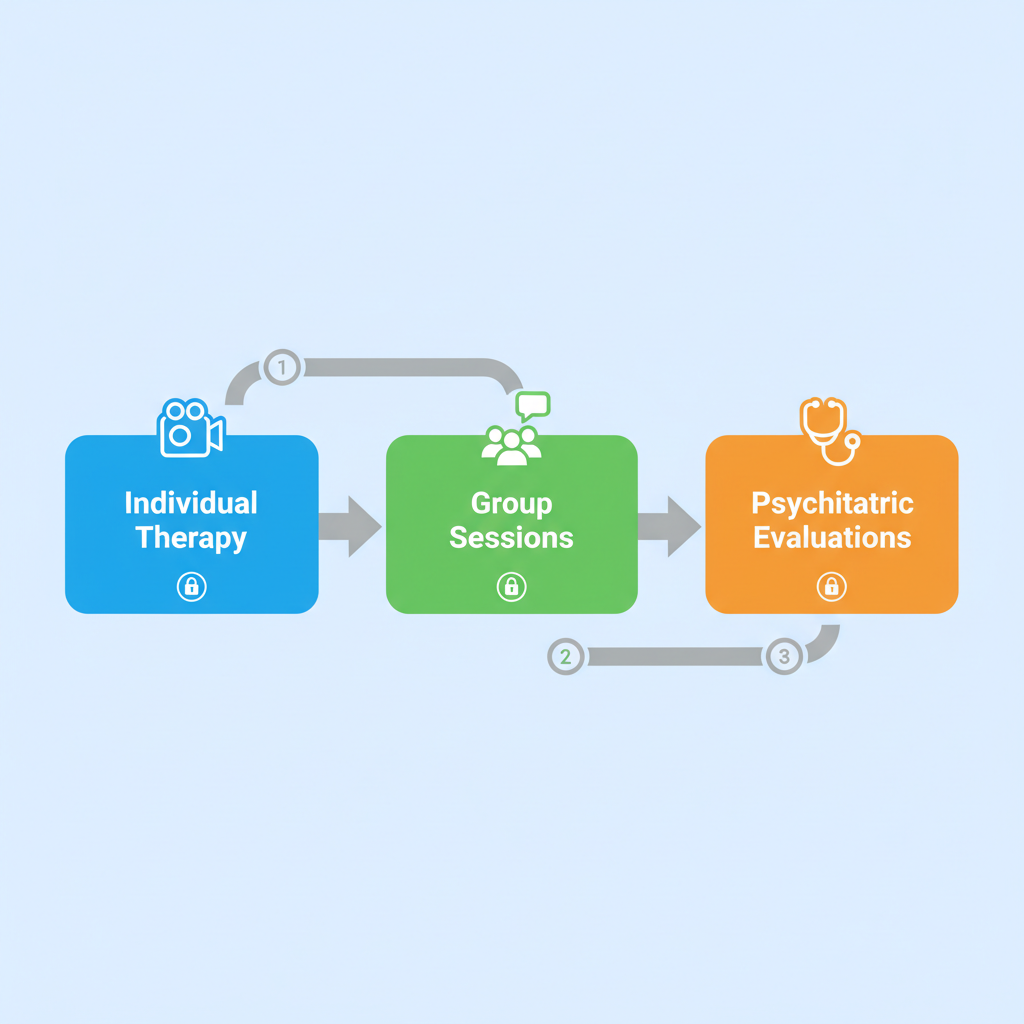
Visual overview of virtual intensive outpatient program components
Psychiatric evaluations round out the components with initial 30-minute telehealth assessments. Our board-certified psychiatrists review symptoms and needs, followed by medication management through e-prescribing tools. In a depression outpatient program, this might involve monitoring mood via integrated apps and adjusting treatments accordingly. These elements create a structured yet flexible IOP for depression, emphasizing evidence-based practices for recovery.
This integrated approach at Echo Ridge Wellness supports up to 9 to 12 hours of weekly therapy, blending individual attention with group dynamics and medical oversight for holistic care.
How Virtual Sessions Ensure Accessibility and Effectiveness
Technology drives the accessibility of our virtual IOP sessions, making treatment available from anywhere with a stable internet connection. We rely on end-to-end encrypted video conferencing tools that support high-quality interactions. Mobile apps allow easy access to sessions, schedules, and resources, accommodating busy lives with mornings, evenings, and weekend options. This setup benefits those in remote areas, like participants outside Orange County, by removing travel needs.
Our platform includes user-friendly features such as real-time chat and screen sharing, ensuring smooth engagement during group therapy or individual check-ins. For an IOP for anxiety, clients can join from home environments that feel safe, enhancing participation rates.
Advancements in virtual mental health care ensure seamless access for all, aligning with our commitment to personalized virtual care tailored to your needs.
HIPAA compliance underpins every aspect of our virtual sessions, safeguarding sensitive information. We implement audit logs to track access, secure data storage on encrypted servers, and regular provider training on telehealth protocols. These measures protect privacy during psychiatric evaluations or family therapy discussions. As individuals seek support for mental health challenges, knowing their data is secure builds trust in the process.
According to authoritative federal guidelines from the U.S. Department of Health and Human Services, virtual sessions qualify for insurance coverage comparable to in-person care, reducing barriers for participants. This compliance extends to our entire online intensive outpatient treatment, including e-prescribing for medication management.
Studies demonstrate the effectiveness of virtual IOPs, showing outcomes similar to in-person programs for managing anxiety and depression. Research highlights reduced symptoms in participants using telehealth for cognitive behavioral therapy, with retention rates matching traditional formats. At Echo Ridge Wellness, we draw on these evidence-based interventions to support recovery journeys.
For an IOP for depression, remote check-ins via apps enable consistent mood tracking, leading to timely adjustments. Overall, these virtual elements promote engagement and positive results.
Patients experience key benefits like flexible scheduling and reduced status, allowing discreet participation from comfortable spaces. This approach empowers individuals to prioritize their wellness without disrupting daily routines, fostering long-term adherence to treatment plans.
The following table compares virtual and in-person IOP delivery to illustrate benefits for remote participants:
| Feature | Virtual IOP | In-Person IOP |
|---|---|---|
| Accessibility | Available from anywhere with internet; flexible scheduling | Requires travel to facility; location-bound |
| Scheduling | Mornings, evenings, weekends options | Limited to facility hours |
| Cost Efficiency | Lower overhead, often better insurance coverage for telehealth | Travel and facility costs may apply |
Based on telehealth best practices for behavioral health, virtual IOPs offer greater flexibility and cost savings, as supported by U.S. Department of Health and Human Services guidelines on reimbursement. This format particularly aids remote participants by minimizing logistical hurdles, allowing focus on healing. In contrast, while in-person options provide direct interaction, they can limit access for those with transportation challenges or demanding schedules.
These virtual elements pave the way for broader treatment applications, as explored next in our discussion on outcomes and enrollment.
Applying IOP to Anxiety, Depression, and Trauma
Building on the structure of our Virtual Intensive Outpatient Program (IOP), this section explores its targeted applications for anxiety, depression, and trauma. At Echo Ridge Wellness, we tailor the Intensive Outpatient Program to meet the unique needs of individuals experiencing these conditions, offering compassionate, personalized virtual care that fits into busy lives. Our flexible scheduling ensures up to 9-12 hours of weekly support, helping clients build resilience from anywhere in Orange County, CA.
Tailored IOP Strategies for Anxiety Management
In our IOP for anxiety, we focus on structured interventions that empower individuals to manage overwhelming worry and physical symptoms. Cognitive Behavioral Therapy (CBT) groups form the core, where participants learn to identify and challenge negative thought patterns in a supportive virtual environment. These sessions, led by licensed therapists, encourage sharing experiences and practicing real-time coping techniques, fostering a sense of community even from home.
Mindfulness sessions complement CBT by teaching grounding exercises, such as deep breathing and body scans, to interrupt anxiety cycles. We emphasize daily skill-building, like journaling triggers and setting boundaries, which participants apply between sessions. This integrated approach in virtual settings reduces isolation, with peer support enhancing motivation. Many clients report immediate relief, as the program’s intensity allows for rapid progress without disrupting daily routines. Our team monitors individual needs, adjusting strategies to promote lasting calm and confidence.
IOP Treatment Approaches for Depression
Our IOP for depression integrates multiple components to lift the fog of low mood and restore functionality. Individual therapy sessions provide a safe space for exploring personal triggers, with therapists using evidence-based methods like interpersonal therapy to rebuild connections. These one-on-one virtual meetings, scheduled flexibly around mornings, evenings, or weekends, allow for deep dives into emotional patterns without the barriers of in-person travel.
Psychiatric evaluations play a key role in medication management, where board-certified psychiatrists assess symptoms and adjust treatments as needed. We pair this with mood-tracking exercises, using simple apps or journals to monitor progress and celebrate small wins. Group therapy rounds out the experience, offering validation from others facing similar challenges. This holistic blend addresses both biological and psychological aspects, helping individuals regain energy for work, relationships, and self-care. At Echo Ridge Wellness, we see consistent improvements in daily functioning, guiding clients toward a brighter outlook through our Virtual Intensive Outpatient Program.
Benefits of IOP in Trauma Recovery
For those recovering from trauma, our virtual IOP offers profound benefits through specialized support that honors personal pace and privacy. Trauma-focused group therapy creates a validating space to process experiences, with facilitators guiding discussions on triggers and resilience. Family sessions integrate loved ones virtually, strengthening support networks and reducing relational strain. This combination builds enhanced coping mechanisms, like emotional regulation tools, essential for long-term healing.
Evidence highlights improved recovery rates, as virtual access removes geographic hurdles, making consistent participation easier. Research supports virtual iop for anxiety depression trauma in outpatient settings, showing enhanced coping skills and reduced re-traumatization risks. Participants often gain empowerment, with many reporting greater emotional stability post-program. Our aftercare planning ensures sustained progress, transitioning smoothly to ongoing wellness.
In summary, these IOP applications demonstrate our commitment to effective, accessible mental health care. Whether addressing anxiety, depression, or trauma, our program equips individuals with tools for enduring relief, paving the way for discussions on accessing IOP and long-term outcomes.
The following table summarizes the effectiveness of IOP for these conditions, drawing from clinical insights:
| Condition | Key IOP Interventions | Reported Benefits |
|---|---|---|
| Anxiety | Cognitive Behavioral Therapy (CBT) groups, mindfulness sessions | Reduced symptoms in 70-80% of participants |
| Depression | Individual therapy, psychiatric evaluations | Improved mood and functionality in 60-75% cases |
| Trauma | Trauma-focused group therapy, family sessions | Enhanced coping skills and recovery rates |
Derived from clinical studies on outpatient mental health programs.
This overview illustrates how our tailored interventions lead to meaningful change, supporting your journey to mental wellness.
Choosing and Navigating an IOP Program
Building on your understanding of IOP basics, selecting the right Intensive Outpatient Program can feel overwhelming, especially when addressing needs like anxiety or depression. At Echo Ridge Wellness, we guide you through this process with personalized virtual care tailored to your needs. Key factors include program specialization in conditions such as IOP for anxiety or IOP for depression, whether it’s virtual or in-person, and accreditation from recognized bodies to ensure quality care.
To choose effectively, consider these criteria:
- Match your diagnosis: Seek programs offering specialized IOP for anxiety or IOP for depression, focusing on evidence-based therapies like CBT to target your symptoms.
- Program structure: Look for durations of 9-12 weeks with 9-12 hours weekly, providing intensive yet flexible support.
- Professional staff: Ensure licensed therapists and psychiatrists deliver compassionate, individualized treatment.
- Cost and insurance: Evaluate affordability and compatibility with your provider, as coverage varies.
- Patient feedback: Review testimonials to gauge effectiveness and real outcomes.
Navigating enrollment starts with contacting us for an initial assessment call, typically 15-30 minutes, to discuss your goals. Next, complete intake paperwork covering medical history and insurance details. Attend a virtual orientation session where we outline the schedule, rules, and expectations for your Virtual Intensive Outpatient Program (IOP). During participation, engage in group and individual sessions, tracking progress through weekly check-ins with your coordinator. We emphasize flexible scheduling to fit your life in Orange County, CA, or beyond.
Financial aspects often hinge on insurance, particularly for virtual options. The following table provides an overview of common insurance aspects for virtual IOP programs across providers, based on authoritative federal guidelines from the U.S. Department of Health and Human Services (HHS) for telehealth billing and insurance verification.
Insurance Coverage for Virtual IOP
Overview of common insurance aspects for virtual IOP programs across providers.
| Insurance Provider | Coverage for Virtual IOP | Key Considerations |
|---|---|---|
| Major US Insurers (e.g., Aetna, Blue Cross) | Often covers 9-12 hours/week telehealth IOP | Verify in-network benefits; partial coverage common |
| Medicare/Medicaid | Supports telebehavioral health under certain conditions | State-specific rules apply for IOP |
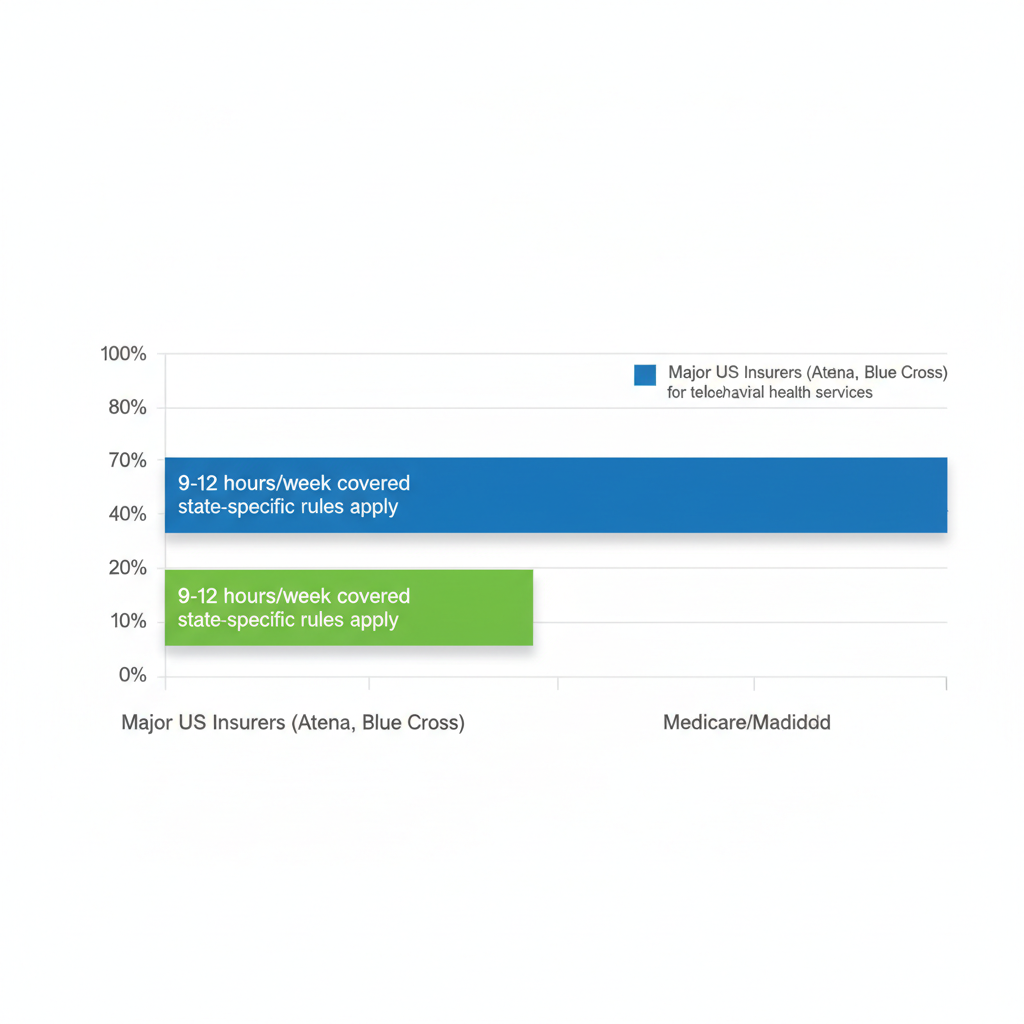
Comparison of insurance coverage levels for virtual IOP programs
According to HHS guidelines, verifying benefits early prevents surprises, and state rules can influence access. For those in California, explore insurance virtual iop california to understand local coverage nuances. We handle verification to maximize your in-network options, making treatment accessible.
This structured approach ensures smooth participation. Once enrolled, communicate openly with coordinators about adjustments for managing IOP for anxiety symptoms or IOP for depression. Results may vary, so consult our professionals for personalized advice. Expect improved well-being as you progress–benefits like enhanced coping skills await in the next steps of your journey.
Frequently Asked Questions About Virtual IOP
If you have more questions about our Virtual Intensive Outpatient Program, we’ve compiled answers to some common ones below. We’re here to help you understand how this flexible treatment can support your mental wellness journey.
What is a Virtual IOP?
Our Virtual IOP is an Intensive Outpatient Program delivered online, providing 9-12 hours of weekly therapy, including group and individual sessions via secure platforms. It fits seamlessly into your daily routine without requiring in-person visits.
How does Virtual IOP differ from in-person programs?
Virtual IOP offers the same intensive care but with greater flexibility and privacy from home. We use HIPAA-compliant tools for sessions, allowing you to manage work or family while receiving effective support.
Who is eligible for Virtual IOP?
Adults dealing with mental health challenges qualify if they can commit to the schedule. Our team assesses suitability during intake to ensure it’s the right fit for your needs.
What conditions does Virtual IOP treat?
It effectively addresses anxiety and depression through evidence-based therapies. Our IOP for anxiety and IOP for depression focus on building coping skills in a supportive virtual environment.
How do I enroll in a Virtual IOP?
Start with our intake assessment online. Explore IOP Programs Near Me for local virtual options, then we’ll verify insurance and create your personalized plan.
What are the benefits of Virtual IOP?
Enjoy flexible scheduling, reduced travel, and privacy while accessing comprehensive care. It empowers you to integrate treatment into daily life for lasting recovery.
For personalized advice, contact us today to start your healing. Remember, consult a healthcare professional for individual recommendations.
Next Steps in Virtual IOP Care
Now that you’re informed about the advantages of our Virtual Intensive Outpatient Program (IOP), take the first step toward better mental health by contacting Echo Ridge Wellness. We’re here to guide you through enrollment in this flexible program.
- Schedule an initial virtual consultation to assess your suitability for IOP.
- Gather your medical history and insurance details ahead of time.
- Set up a quiet space with reliable internet for seamless sessions–ideal for fitting IOP for anxiety into your routine.
- Define personal goals, such as managing symptoms in IOP for depression.
The virtual format lets you maintain daily life while receiving intensive outpatient care. Contact us today to begin your journey and start your healing today.
This article was researched and written with the assistance of AI tools.